Table of contents
In a world where fashion constantly evolves, the rich tapestry of cultural symbols woven into contemporary Japanese apparel stands out as a source of inspiration and identity. These time-honored motifs not only reflect Japan’s historical legacy but also influence modern trends in unique and creative ways. Discover how cultural symbols continue to shape the aesthetics and philosophy behind Japanese garments, and why their presence holds such deep meaning in the realm of fashion today.
Roots of traditional motifs
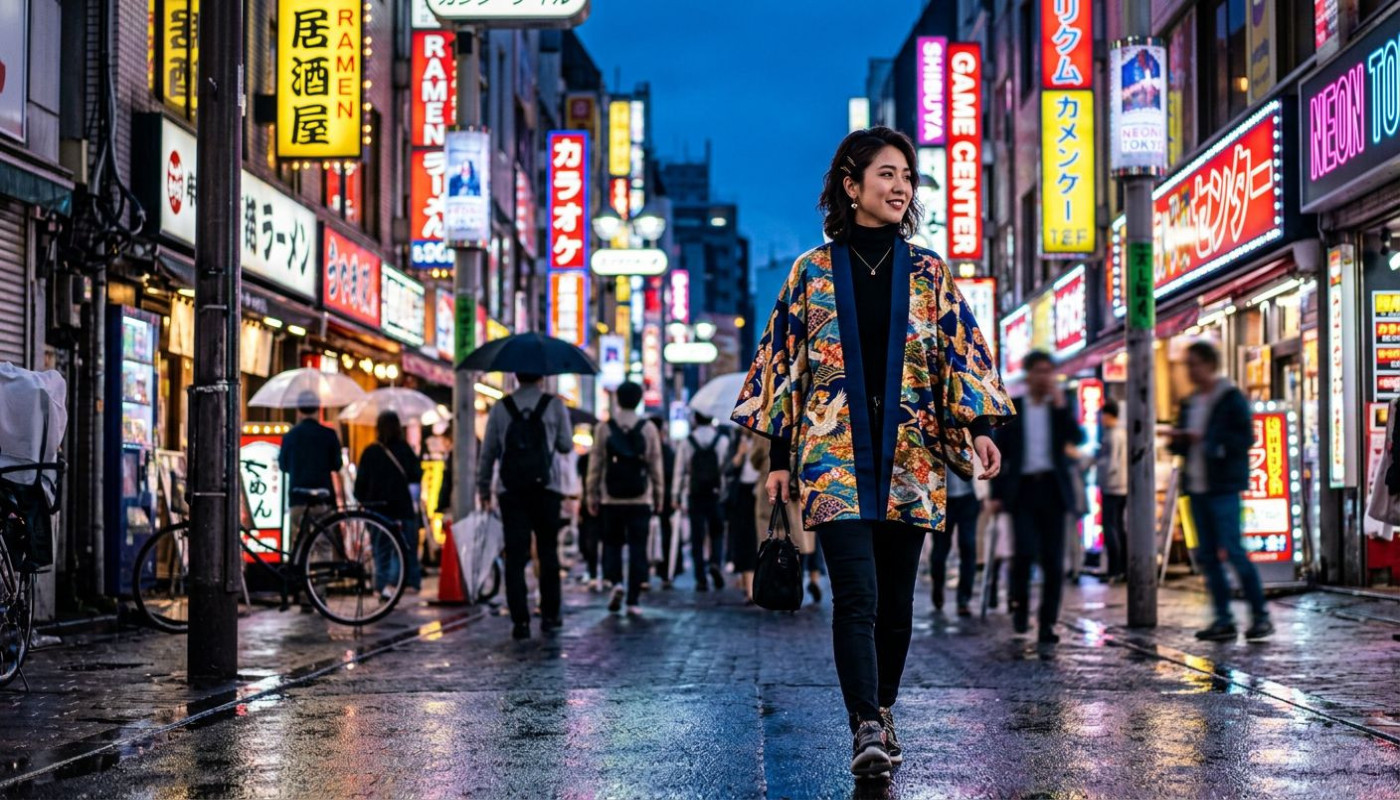
Japanese clothing draws deeply from a vibrant heritage, using cultural symbols that echo centuries of iconography. Traditional motifs such as cranes symbolize longevity and good fortune, their use dating back to the Heian period, where they appeared in court kimono patterns and on decorative screens. Waves, often seen in the bold seigaiha motif, represent resilience and the power of nature; these patterns originated from ancient Chinese influences and became associated with samurai armor and everyday textiles over time. Cherry blossoms, revered for their fleeting beauty, have been a central element in Japanese iconography since the Nara and Heian periods, reflecting philosophies around impermanence and renewal. Contemporary Japanese clothing seamlessly weaves these motifs into modern apparel, allowing wearers to connect with historical influences while expressing individual and collective identities. The ongoing relevance of these traditional motifs lies in their ability to bridge past and present, infusing modern fashion with profound cultural resonance and a sense of continuity.
Symbolism in contemporary streetwear
Within contemporary Japanese fashion, streetwear brands are pioneering a fresh reinterpretation of cultural symbols, crafting a dynamic visual lexicon that bridges tradition and youth culture. Designers are skillfully blending motifs like ukiyo-e prints, kanji characters, and historical emblems with modern materials, silhouettes, and graphic techniques. This approach allows symbols from Japan’s past to be reimagined not simply as nostalgic references, but as statements of individualism and urban identity. Such reinterpretation is visible in collaborations between established labels and emerging creatives, where elements like samurai iconography or Shinto-inspired patterns are infused into hoodies, sneakers, and accessories, giving classic themes a modern symbolism that resonates powerfully with a younger generation.
For many young Japanese, wearing garments embedded with these visual symbols is a form of self-expression, enabling them to connect personal identity with broader cultural narratives. The flexibility of contemporary Japanese fashion allows streetwear enthusiasts to curate their own meaning from traditional imagery—sometimes subverting it, sometimes paying homage. The result is a multifaceted style landscape, where history and innovation merge in the daily attire of Tokyo’s trendsetters. Those seeking inspiration or wishing to explore collections rich with reinterpretation can see this website for a diverse selection of modern streetwear that embodies these cultural and stylistic shifts.
Global impact of Japanese symbols
Japanese influence on global fashion has grown dramatically, with cultural symbols such as the kimono, crane, sakura blossoms, and kanji motifs serving as ongoing sources of design inspiration across continents. Designers and brands frequently employ these iconic elements, not only for their visual appeal but for their underlying cultural significance, which resonates with international trends and a diverse consumer base. Through a process known as transcultural adaptation, these motifs are thoughtfully reinterpreted to suit the aesthetic and values of different markets while maintaining their core meanings. This kind of cultural exchange allows for the preservation of authenticity alongside creative innovation, resulting in fashion that honors tradition yet feels contemporary and accessible.
Transcultural adaptation ensures that Japanese aesthetic principles such as wabi-sabi, minimalism, and the subtle appreciation of nature are integrated into global fashion without losing their original context. This interplay fosters a richer design landscape, encouraging new dialogues between cultures and promoting a deeper understanding of heritage through apparel. As international designers continue to draw from Japanese symbols, the boundaries between regional and global styles blur, illustrating how cultural exchange can both celebrate uniqueness and shape the evolution of design on a worldwide scale.
Preserving heritage through apparel
In contemporary Japanese apparel, heritage preservation emerges as a dynamic force shaping the nation's cultural identity. Modern designers and artisans actively integrate traditional techniques, such as shibori dyeing, sashiko embroidery, and kasuri weaving, into clothing collections that seamlessly blend past with present. These efforts do more than maintain aesthetic continuity; they serve as powerful tools for generational transmission of intangible cultural heritage, ensuring that skills and symbolic motifs pass from master to apprentice. Collaborations between fashion houses, local craftsmen, and cultural institutions foster renewed interest in age-old practices, simultaneously supporting rural economies and nurturing pride in Japan's rich textile history. Through these initiatives, Japanese apparel becomes a living testament to cultural heritage, allowing new generations to connect with their roots while reinvigorating traditional methods for a global audience.
Cultural symbols and sustainability
Cultural symbols deeply influence sustainable fashion in Japanese apparel, shaping both production and consumer behavior. Designers often incorporate traditional motifs that represent respect for nature, longevity, and harmony, guiding choices towards eco-friendly materials and ethical production practices. Honoring these cultural values leads to the adoption of organic fibers like cotton and hemp, as well as natural dyes, reducing environmental impact and reinforcing the symbolic connection between clothing and ecological mindfulness. As the industry shifts towards a circular fashion system, Japanese designers blend heritage with innovation, reusing textiles and minimizing waste to preserve both traditions and resources for future generations.
This relationship between cultural symbols and sustainability has also transformed consumer expectations in Japanese apparel. Shoppers increasingly seek garments that not only reflect cultural identity but are also produced with transparency and responsibility. The presence of revered motifs signals a deeper commitment to the community, encouraging mindful purchasing and supporting brands that prioritize ethical production and sustainable materials. By intertwining symbolic meaning with practical eco-conscious choices, the Japanese apparel sector strengthens both cultural continuity and environmental stewardship, setting a model for global sustainable fashion initiatives.
Similar articles

Exploring The Versatility Of Sage Green Dresses For All Occasions

Boho Chic: Mastering the Art of Effortless Style
Exploring The Versatility Of Sage Green Dresses For All Occasions

Unveiling the Timeless Appeal of Men's Monochrome Fashion
