Table of contents
Japanese streetwear has become a global sensation, admired for its unique blend of cultural references and eye-catching visuals. At the heart of this dynamic style lies a fascinating interplay between traditional Japanese aesthetics and Western influences. Dive into the paragraphs below to discover how these two distinct worlds merge, shaping the creativity and innovation found on the bustling streets of Japan.
Origins of Japanese streetwear
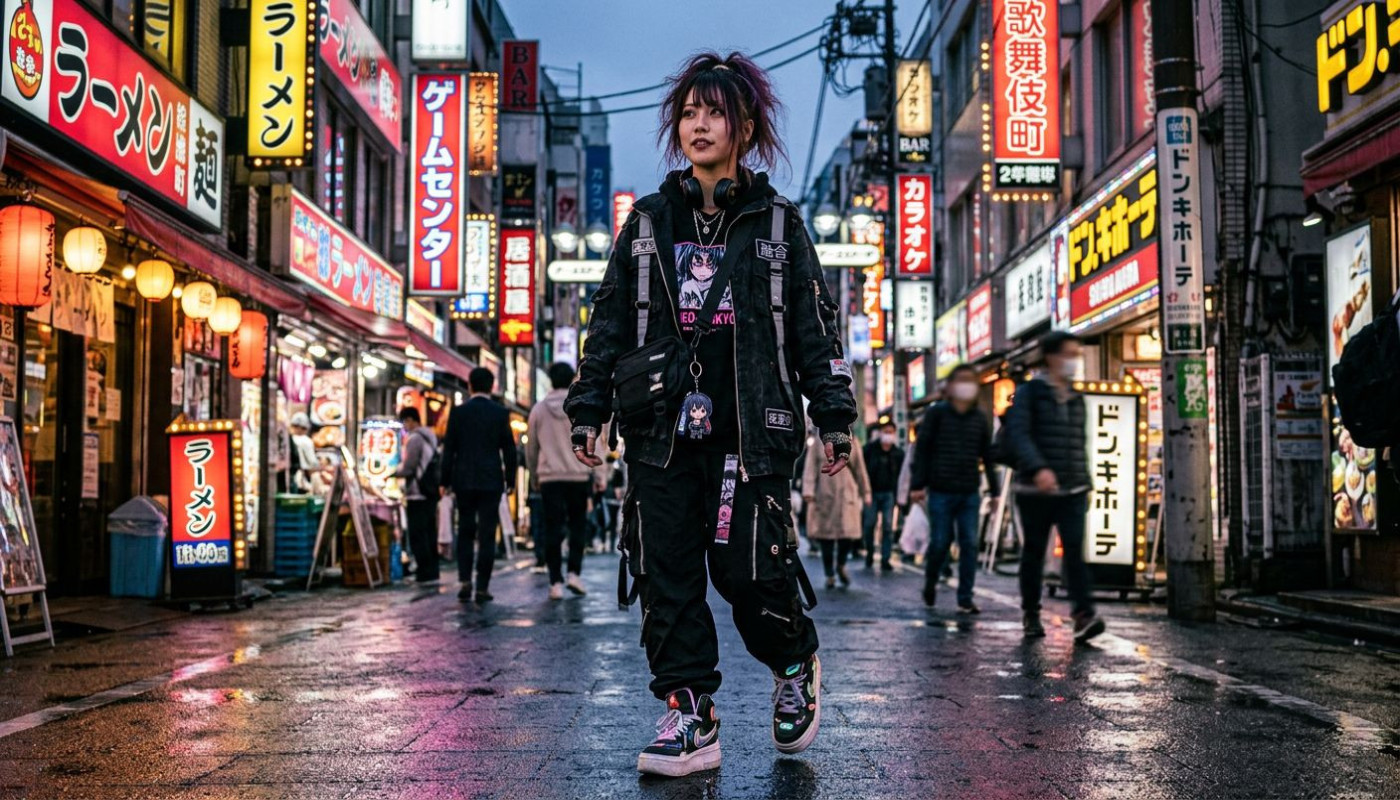
Japanese streetwear history traces back to the late 1970s and early 1980s, a period when urban culture Japan began to flourish as youth sought unique ways to express individuality. During this era, Western influence fashion began to intertwine with local sensibilities, marking the start of cultural hybridization in street fashion evolution. American hip-hop, skateboarding, and punk movements filtered into Japanese cities through imported magazines, music, and films, inspiring the first wave of early streetwear trends. Tokyo neighborhoods like Harajuku and Shibuya quickly became epicenters for these new styles, with young Japanese adopting elements such as bold graphics, oversized silhouettes, and sportswear brands, all while integrating traditional motifs and meticulous attention to detail that reflected Japanese aesthetics.
This fusion was further driven by broader social shifts, as the economic boom of the 1980s provided Japanese youth with unprecedented spending power and access to global trends. Western brands such as Levi's, Nike, and Adidas emerged as status symbols, but local designers and boutiques soon began to reinterpret and repurpose these influences, giving rise to a distinctively Japanese approach to streetwear. The process of cultural hybridization created a dynamic fashion scene where global inspirations were seamlessly blended with local innovations, establishing a foundation for the influential street fashion evolution seen in urban culture Japan today.
Visual elements from the West
Western streetwear motifs have found their way into Japanese streetwear through an ongoing process known as aesthetic appropriation, which has led to a rich urban style fusion. Recognizable silhouettes such as oversized hoodies, bomber jackets, and ripped denim—staples in Western fashion—have become prominent features within Japanese collections. Japanese fashion adaptation goes beyond simple imitation: these silhouettes are often reimagined with precision tailoring or layered construction, creating a unique synthesis that resonates with local preferences. Color palette trends, including the use of monochrome schemes, bold neons, and pastel hues popularized by Western brands, are skillfully combined with Japan’s own refined tastes, resulting in collections that feel both global and unmistakably local.
In parallel, Western-inspired graphics—graffiti fonts, pop culture references, and sports logos—are frequently intertwined with indigenous Japanese patterns or symbols, providing a distinctive visual language. Designers adept in Japanese fashion adaptation use these visual cues to bridge cultures, often juxtaposing streetwear silhouettes familiar in the West with traditional elements such as kanji script, sakura blossoms, or ukiyo-e prints. This innovative approach not only redefines color palette trends but also encourages inventive experimentation, turning global influences into original statements within the Japanese streetwear scene.
Streetwear and subculture identity
The dynamic interplay between Western aesthetics and Japanese creativity has deeply shaped youth subculture Japan, giving rise to vibrant urban tribes that use streetwear as a powerful tool for fashion self-expression. Clothing in this context goes far beyond mere functionality, acting as a visible marker of streetwear identity and serving as a form of subcultural capital. Members of Japanese urban tribes distinguish themselves through carefully curated outfits, often blending global trend adaptation with traditional motifs, resulting in unique interpretations that set them apart within the wider streetwear scene.
These adaptations are not simply imitations; rather, subcultures reinterpret Western influences to reflect local sensibilities, influences, and cultural narratives. This process allows individuals to signal their belonging and status within specific groups, leveraging streetwear identity as a means of both inclusion and differentiation. The concept of subcultural capital becomes particularly relevant, as youth harness fashion to accumulate recognition and prestige among their peers, transforming clothing brands and styles into badges of social currency.
Japan's urban centers, especially Tokyo, have become hotspots where the boundaries between global and local trends are constantly negotiated. Youth subculture Japan is marked by rapid innovation in how international styles are absorbed, modified, and displayed, ensuring that streetwear remains a living, evolving symbol of group identity. For those interested in exploring the latest in Japanese streetwear, try here for insights and options straight from the heart of these influential scenes.
Collaborative design philosophies
Cross-cultural design in Japanese streetwear is often characterized by a syncretism of aesthetics and philosophies, blending the meticulous craftsmanship of Japanese designer influence with the conceptual dynamism of Western collaborators. This collaborative streetwear process thrives on open creative dialogue, where each participant contributes unique perspectives drawn from their cultural backgrounds. Through workshops, digital exchanges, and mutual immersion in contrasting fashion landscapes, teams develop a shared visual language. This fusion is not purely stylistic; it extends into material experimentation, silhouette deconstruction, and innovative reinterpretations of classic garments, all hallmarks of global fashion innovation.
The creative process fashion teams adopt in such partnerships is inherently iterative and exploratory, pushing boundaries beyond conventional norms. Syncretism manifests in the way designers reinterpret traditional Japanese motifs through Western tailoring methods, or how functionality from urban Western style is integrated with the subtle elegance found in Japanese streetwear. These joint ventures produce not only distinct garments but also inspire broader shifts in industry standards, influencing how collaborative streetwear is perceived and consumed worldwide. The result is a continuous evolution, where the lines between origin and influence are blurred, allowing new movements in the fashion landscape to emerge and gain global traction.
Global impact and future trends
Japanese streetwear has made a substantial mark on global streetwear trends, with its unique blend of innovation and cultural references now seen in cities from New York to Paris. This international resonance highlights how Japanese fashion forecast techniques are being closely monitored by designers and enthusiasts alike, eager to anticipate the next breakthrough in fusion fashion future. Digital influence fashion is accelerating this exchange, making it possible for street style ideas to spread instantly across continents. Social platforms, online communities, and virtual collaborations enable styles to evolve at a rapid pace, allowing worldwide street style to become increasingly eclectic and boundary-blurring. Looking ahead, trend forecasting suggests that Western and Japanese aesthetics will intertwine even further, influenced by the continuous rise of digital connectivity and the global appetite for inventive, cross-cultural designs. As fashion becomes ever more digitized, expect emerging designers and established brands to push the limits of hybrid creativity, shaping a dynamic and inclusive future for streetwear worldwide.
Similar articles

Understanding Yūgen: An Aesthetic Shaping Global Fashion Views
The Cultural Significance Of Kimonos In Today's Fashion World
Exploring The Allure Of Modern Japanese Streetwear Trends
How Tokyo Street Style Influences Global Fashion Trends?
How Quality Fabrics Shape The Future Of Urban Fashion

Exploring the slow fashion movement and its impact on consumer habits

Exploring The Benefits Of Wearing Shapewear For A Slimmer Silhouette

Where to Buy a Hublot Watch in Sint Maarten?

Exploring The Mystical Benefits Of Tiger Eye Bracelets
