Table of contents
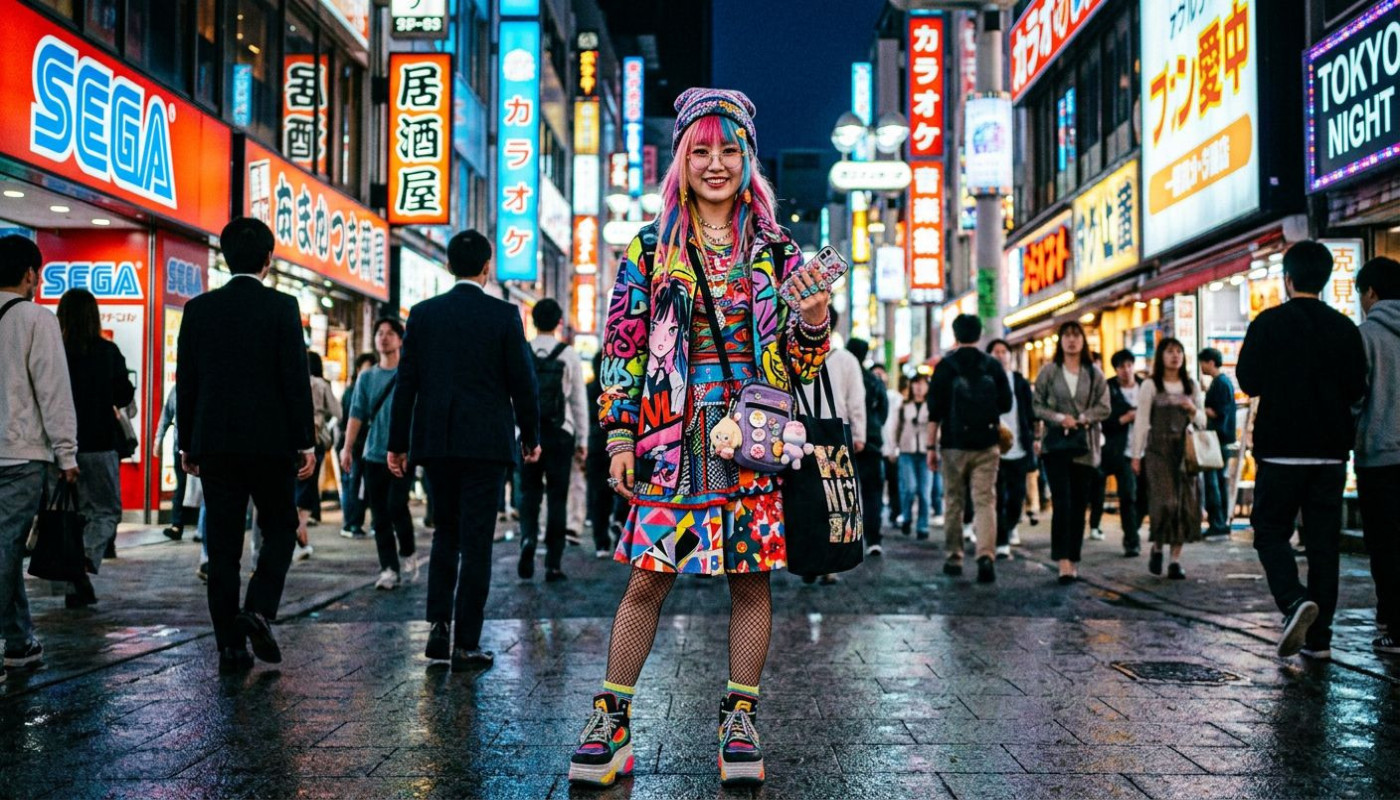
Tokyo street style has become an endless source of inspiration for fashion enthusiasts and designers across the globe. Its unique blend of innovation, self-expression, and fearless experimentation continues to push the boundaries of style far beyond Japan’s borders. Dive into the fascinating world of Tokyo’s streets and find out how the city’s vibrant fashion scene sets trends that ripple through runways and wardrobes worldwide.
The roots of Tokyo street style
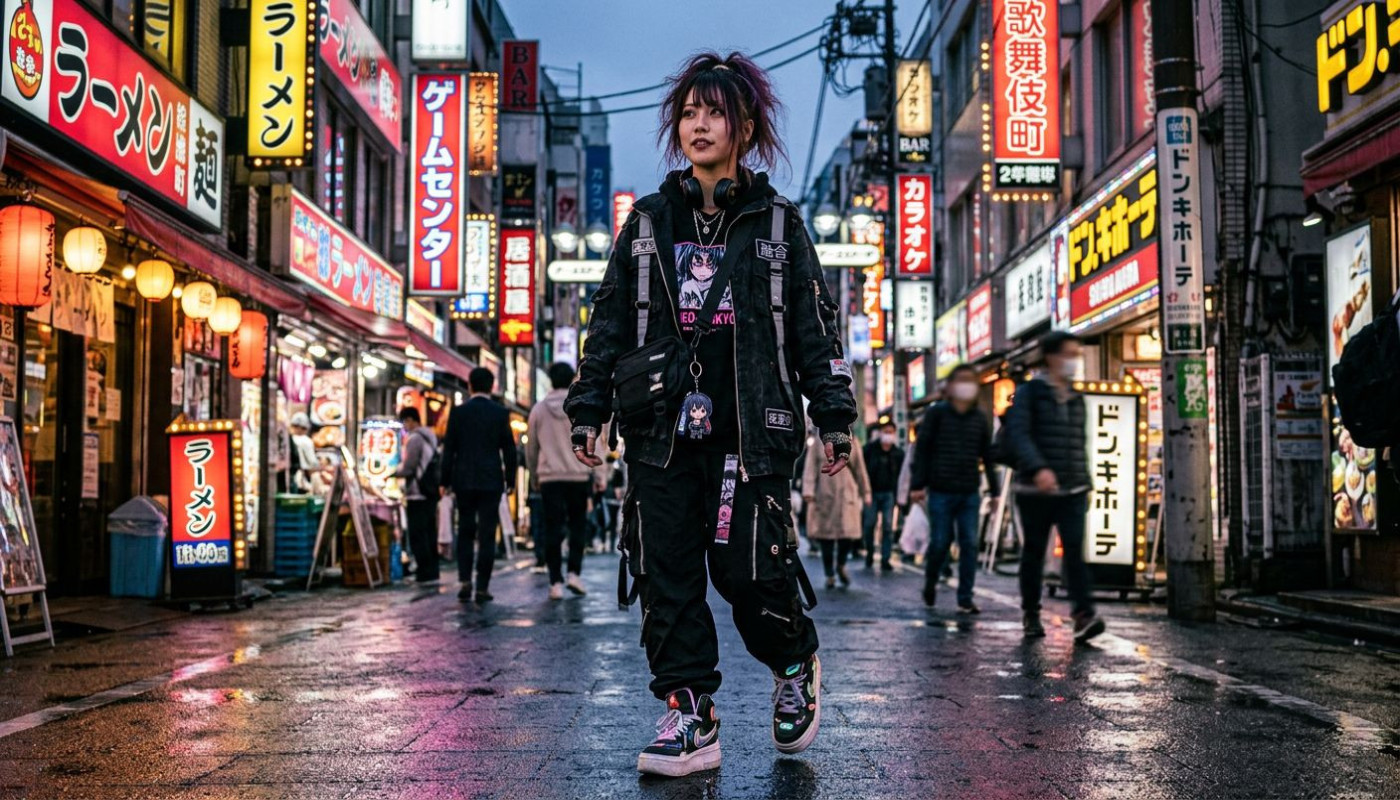
Tracing the trajectory of Tokyo fashion evolution reveals a vibrant narrative shaped by decades of dynamic change. In the aftermath of World War II, Japan experienced a surge of youthful energy and rebellion, birthing distinct subcultural groups in neighborhoods like Harajuku and Shibuya. These collectives, influenced by Western pop culture yet fiercely innovative, laid the groundwork for Japanese street history by fusing imported fashion cues with uniquely local aesthetics. Urban clothing trends began to thrive in the labyrinthine streets of Tokyo, where experimentation was not only accepted but celebrated, giving rise to a scene that continuously challenged conventional sartorial norms.
Youth culture Japan played a pivotal role in constructing the unique identity of Tokyo’s street style, as creative individuals drew inspiration from music, art, and socio-economic shifts. The phenomenon of subcultural diffusion allowed ideas to rapidly permeate different groups, resulting in a constantly evolving visual language that defines global style roots. Tokyo’s densely populated urban environments fostered an eclectic mix of looks, from the flamboyant to the understated, each reflecting broader cultural and generational shifts. This synthesis of influences positioned Tokyo as a powerhouse in the world of fashion, setting the stage for the international embrace of its street-inspired trends.
Creative self-expression and individuality
In the heart of Tokyo, street fashion operates as a vibrant canvas for creative self-expression, inviting both locals and visitors to explore the boundaries of aesthetic autonomy. This distinct urban culture, marked by a celebration of individual fashion Tokyo, resists mainstream trends by empowering wearers to curate ensembles that showcase their inner identities. Customization plays a pivotal role, as individuals mix and match a variety of textures, colors, and silhouettes, often layering garments in unexpected ways. This approach not only challenges traditional norms but also leads to a proliferation of unique Japanese style, where personal narratives are woven directly into daily attire.
These self-expression trends have garnered worldwide interest, inspiring many to seek Tokyo outfit ideas that embody both rebellion and sophistication. Fashion creativity Japan stands out in the global scene because it encourages risk-taking with accessories, handmade details, and avant-garde pairings that turn ordinary streets into live catwalks. For those curious about how to adopt this trendsetting aesthetic, why not try these out for inspiration and a curated selection of streetwear that channels Tokyo’s most original looks?
Fusion of traditional and modern elements
Tokyo street style stands out on the global stage through its remarkable cultural hybridity, merging time-honored Japanese elements with avant-garde fashion innovation. Japanese fusion fashion in urban Tokyo often showcases classic silhouettes such as the kimono, creatively reimagined as modern kimono street wear. Designers utilize traditional textiles like silk and cotton, integrating them with synthetic fibers and smart fabrics that reflect advancements in textile technology. This seamless combination gives rise to Tokyo tradition style, where artisanal handcraft meets industrial precision, allowing hybrid fashion trends to flourish. Such distinctive pairings are evident in contemporary Japanese clothing, where obi belts are matched with tailored jackets, and geta-inspired footwear is paired with futuristic accessories.
This iconic blend not only pays homage to Japanese heritage but also propels the city’s reputation as a trendsetting hub. The fusion of materials and layering techniques established in Tokyo inspires designers and trendsetters worldwide, who replicate and reinterpret these looks for international runways and street scenes. The balance between maintaining identity and embracing innovation is a key driver behind the global popularity of hybrid fashion trends, making Japanese fusion fashion a continual source of creative influence in the evolution of contemporary Japanese clothing.
Influence on global fashion trends
Tokyo fashion impact resonates far beyond Japan’s borders, shaping global streetwear trends and redefining the perception of urban style. The city’s unique blend of traditional elements with futuristic aesthetics serves as a wellspring of international fashion inspiration, where designers from Paris to New York closely watch Tokyo’s neighborhoods for emerging ideas. Japanese style influence is visible in the layering techniques, playful use of color, and avant-garde silhouettes that frequently appear on global runways. Through a phenomenon known as trend diffusion, creative energy from Tokyo’s streets rapidly spreads worldwide, as tastemakers and influencers showcase new looks across their platforms.
Social media significantly accelerates trend diffusion, allowing innovative Tokyo ensembles to reach a worldwide fashion movement within moments. During global fashion weeks, the presence of Japanese labels and independent designers often introduces daring concepts that become industry talking points. Collaborations between Tokyo-based creators and international brands further amplify this effect, embedding Tokyo’s signature experimentalism into mainstream collections. As a result, the continuous exchange and adaptation of Tokyo street style fuel the evolution of global streetwear trends, highlighting the city’s enduring role as a catalyst for style progress across continents.
Future directions for Tokyo street style
The trajectory of Tokyo street style is rapidly evolving, driven by growing environmental awareness and the integration of cutting-edge technology. Future Tokyo fashion is expected to prioritize eco-innovation, with designers and brands embracing sustainable Japanese style by utilizing recycled materials, natural dyes, and circular production methods. Eco-friendly streetwear is gaining traction among young trendsetters in Harajuku and Shibuya, reflecting shifting consumer values that increasingly favor authenticity and transparency. As wearable technology and smart textiles become more accessible, Tokyo innovation trends will likely merge digital elements with traditional aesthetics, resulting in new fashion directions Japan has never seen before.
This convergence of sustainability and technological advancement is set to influence not just local tastes but also inspire the global fashion industry. International designers and brands already turn to Tokyo as a leader in sustainability and creativity, adapting eco-friendly concepts and collaborative production models. The continued emphasis on sustainable Japanese style and eco-innovation will encourage a new generation of consumers to demand ethical sourcing and mindful consumption. These emerging trends indicate that Tokyo will remain at the forefront of fashion, setting standards for both responsible production and progressive, expressive design worldwide.
Similar articles
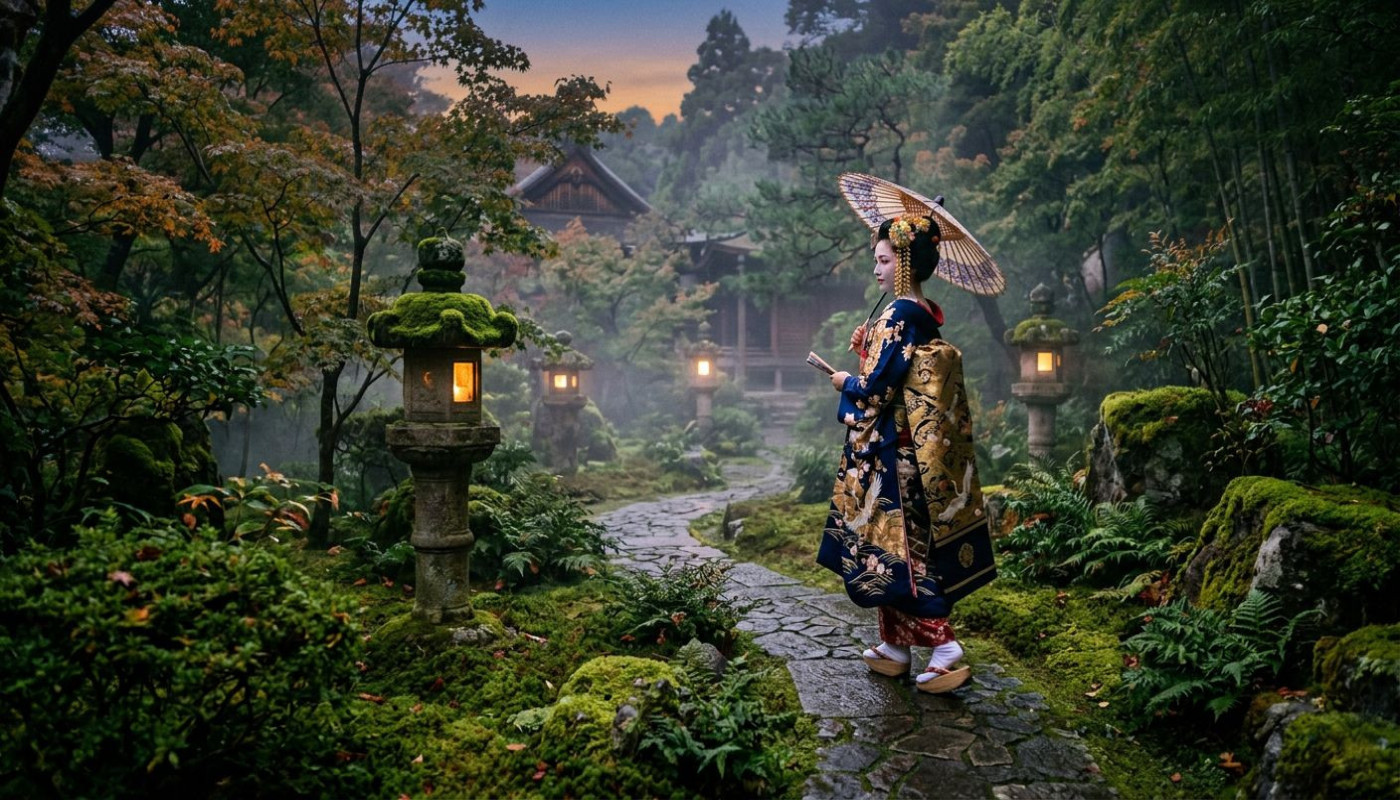
Understanding Yūgen: An Aesthetic Shaping Global Fashion Views
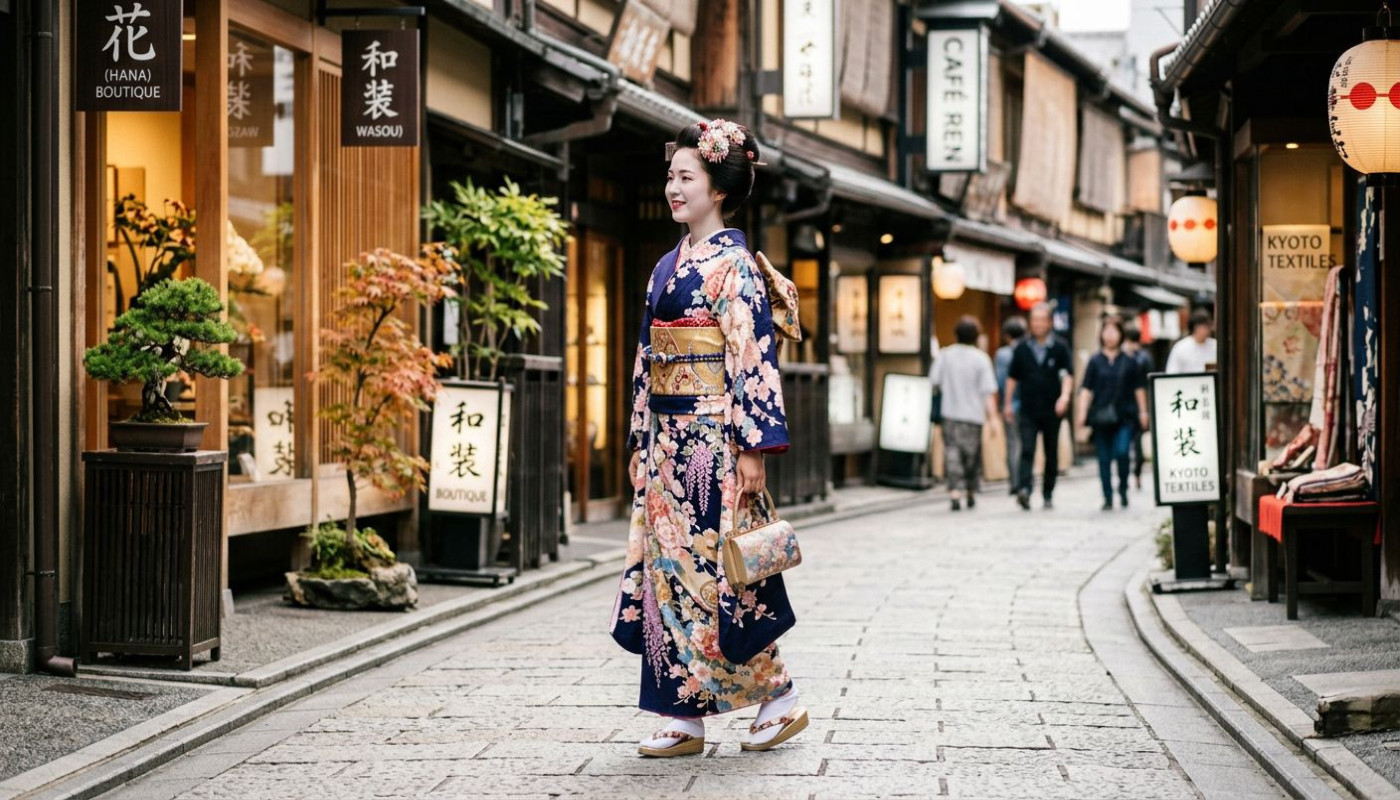
The Cultural Significance Of Kimonos In Today's Fashion World
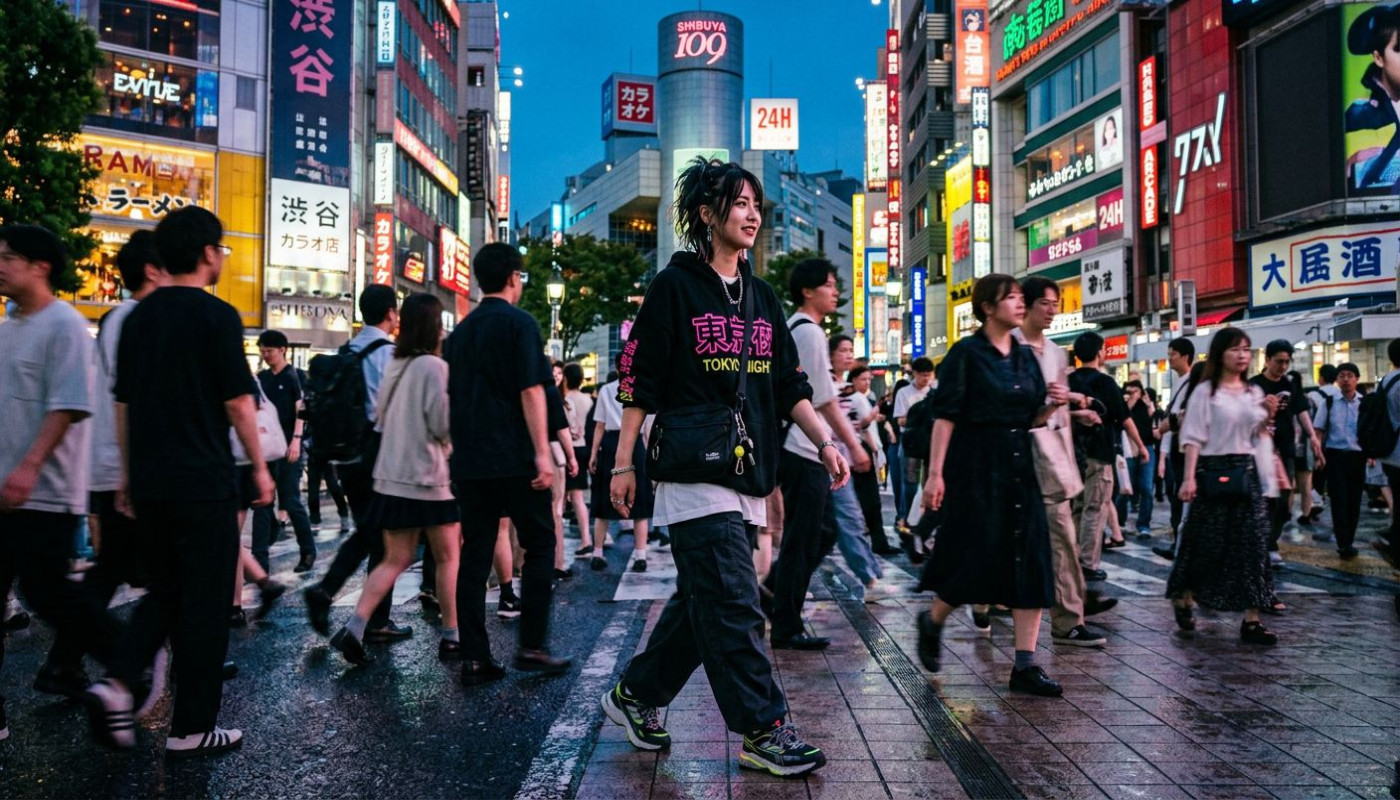
Exploring The Allure Of Modern Japanese Streetwear Trends
Blending Aesthetics: Western Influence On Japanese Streetwear Designs
How Quality Fabrics Shape The Future Of Urban Fashion

Exploring the slow fashion movement and its impact on consumer habits

Exploring The Benefits Of Wearing Shapewear For A Slimmer Silhouette

Where to Buy a Hublot Watch in Sint Maarten?

Exploring The Mystical Benefits Of Tiger Eye Bracelets
