Table of contents
The kimono, with its centuries-old heritage, continues to make a profound impact on contemporary style. Exploring its cultural significance in today’s fashion world unveils a fascinating journey from tradition to modernity. Delve into the layers of meaning, influence, and transformation that keep this iconic garment relevant, inspiring readers to explore how its story unfolds in the modern era.
Kimonos: a legacy redefined
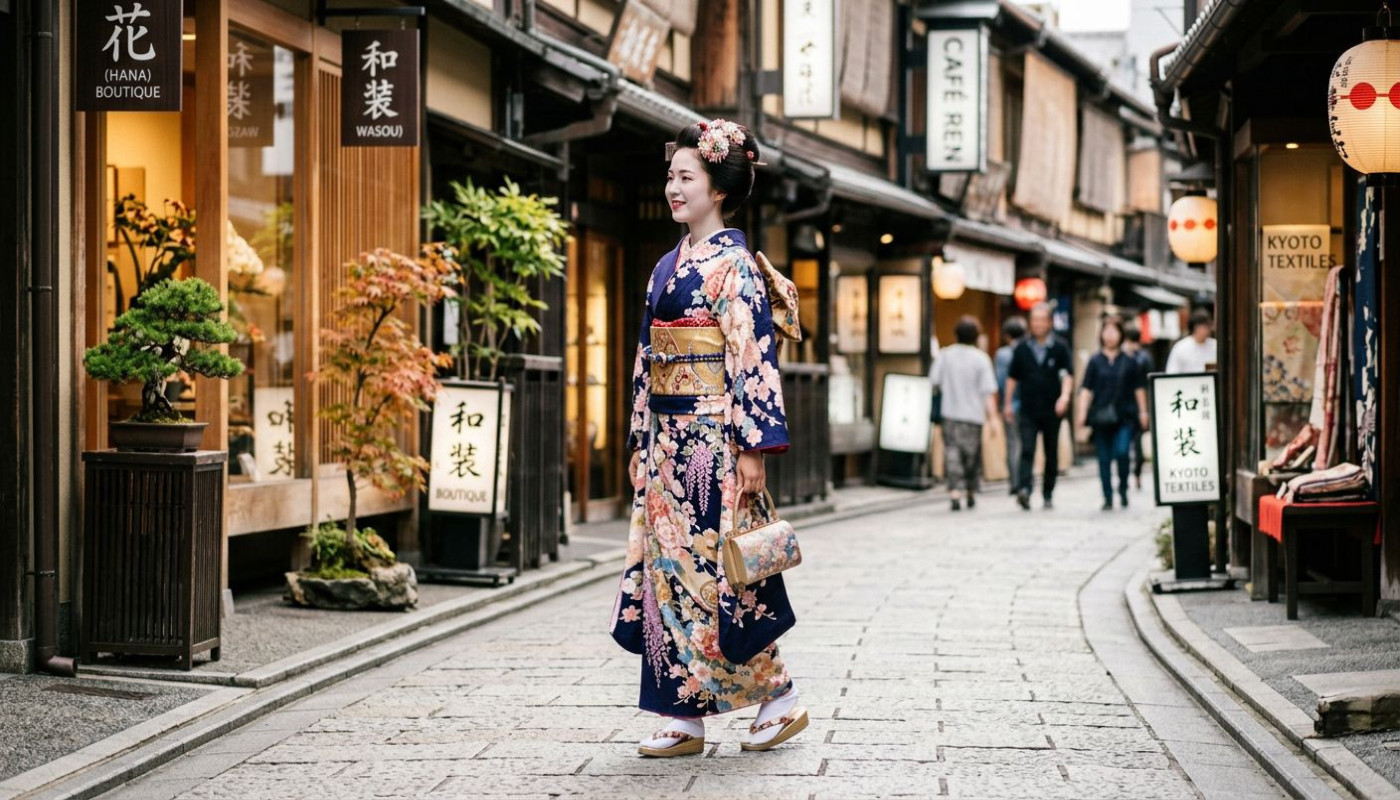
The kimono stands as a testament to centuries of kimono history, symbolizing the enduring cultural heritage of Japan while continually evolving within the international fashion arena. Originally conceived as a Japanese garment worn for both ceremonial and everyday purposes, the kimono’s silhouette, craftsmanship, and intricate motif patterns reflected social status, seasons, and personal identity. As global interest in textile traditions has surged, designers worldwide have reimagined the modern kimono, skillfully blending traditional techniques such as shibori dyeing and brocade weaving with contemporary aesthetics. This fashion evolution sees the garment transformed into diverse forms—ranging from structured jackets to flowing outerwear—maintaining a deep respect for its origins yet adapting to new contexts, fabrics, and lifestyles.
Throughout these transformations, the kimono’s adaptability has emerged as one of its most distinctive qualities, enabling it to transcend cultural and generational boundaries. The preservation of historical motifs, such as cranes symbolizing longevity or waves denoting resilience, ensures that every reinterpretation remains anchored in meaning. Many leading fashion houses and independent creators now draw on the Japanese garment’s essential features—its straight seams, T-shape, and meticulous layering—while experimenting with bold colors, unconventional textiles, and innovative tailoring. This ongoing dialogue between past and present elevates the kimono from a revered artifact of cultural heritage to a dynamic symbol of global fashion evolution, demonstrating how the garment’s legacy continues to inspire and adapt within the modern world.
Symbolism woven into fabric
Kimonos are renowned for their profound kimono meaning, with each garment serving as a tapestry of cultural symbolism and personal narrative. The choice of colors is not merely aesthetic; for instance, vibrant reds and auspicious golds often signal celebration, while subdued indigo or black hues can reflect formality, respect, or even mourning. Traditional patterns such as cranes, waves, or cherry blossoms carry their own layers of significance, acting as visual language within the textile art of kimono design. The placement and combination of these motifs—known in the field as iconography—are crafted to communicate the wearer’s social status, marital position, or seasonal event, ensuring that a kimono is read as much as it is worn.
In the context of Japanese society, certain embroidered designs, like pine trees for longevity or plum blossoms for resilience, are selected with intention, encapsulating hopes, virtues, and familial aspirations. Even the direction of a pattern can shift meaning; motifs cascading from the hem upward may symbolize growth or a promising future. This careful attention to detail reveals how deeply intertwined fashion symbolism is with tradition and identity in Japanese culture, elevating the kimono from mere clothing to a storied artifact.
As kimono traditions intersect with the global fashion landscape, contemporary designers often reinterpret these time-honored symbols, merging traditional patterns with modern aesthetics. While some preserve the original iconography to maintain authenticity, others adapt motifs to cater to international tastes, sometimes blending Japanese textile art with materials and silhouettes from other cultural backgrounds. Despite these innovations, the core emphasis on storytelling through fabric remains, allowing new generations to connect with the cultural symbolism embedded within each piece.
This ongoing evolution of kimono meaning within today’s fashion industry highlights the resilience of its cultural messages. By honoring or reimagining the symbolic elements—from color schemes to intricate embroidery—designers and wearers alike participate in a living tradition, ensuring that the iconography of the kimono continues to be a relevant and cherished language in the world of fashion symbolism and global textile art.
Global influence on modern wardrobes
The kimono influence in global fashion has been profound, shaping contemporary fashion through a process of hybridization that blends traditional Japanese aesthetics with international trends. Designers across the world have reinterpreted the kimono silhouette, fabrics, and motifs, integrating these elements into collections that reflect both reverence for heritage and a desire for innovation. This cross-cultural style is visible in the structured sleeves, sash belts, and flowing layers seen on runways from Paris to New York, demonstrating how fashion trends are increasingly interconnected. The kimono’s journey from a Japanese icon to a staple in global wardrobes illustrates not only its versatility but also the complexities of cultural exchange.
As the kimono becomes embedded in global fashion, the ongoing dialogue about cultural appreciation versus appropriation grows more intense. Respectful collaborations between Japanese artisans and international designers have led to collections that honor the garment’s origins, supporting traditional craftsmanship and fostering mutual understanding. Conversely, instances where kimono-inspired pieces are stripped of their cultural context or used superficially in contemporary fashion can spark controversy, raising questions about authenticity and ethical design. The global adoption of the kimono thus serves as a vivid case study in the responsibilities that come with fashion’s power to bridge and sometimes blur cultural boundaries.
Sustainability and ethical production
Modern interpretations of the kimono are increasingly shaped by sustainable fashion values and ethical production standards. Designers and artisans prioritize the use of natural fibers such as organic cotton, hemp, and silk, which not only maintain the traditional quality of kimono textiles but also reduce environmental impact. Eco-friendly garment production now often involves artisanal dyeing methods, low-impact manufacturing, and support for local craftspeople, reinforcing kimonos as enduring symbols within the slow fashion movement. These conscious choices foster a deeper appreciation of the garment's lifespan, promoting circularity where materials are reused or responsibly recycled, and waste is minimized throughout the production cycle.
The kimono, as a result, becomes more than traditional attire—serving as an emblem of mindful consumption and a vessel for heritage preservation within contemporary sustainable fashion. Ethical production practices ensure fair labor, transparency, and support for traditional skills, enhancing the integrity of each piece while aligning with the rising demand for environmental and social responsibility in the fashion industry. To discover how current brands and artisans are blending tradition with innovation in sustainable kimono creation, readers can learn more about ongoing initiatives and collections supporting this shift.
Kimonos in contemporary expression
Kimonos have become a vivid medium for modern expression within global art and fashion circles. Today’s designers and artists reinterpret this traditional garment through innovative creative design, transforming it into a powerful style statement that resonates with contemporary audiences. Across international runway shows, the kimono is frequently showcased with bold prints, experimental fabrics, and unconventional silhouettes, illustrating aesthetic fusion where historical motifs blend seamlessly with avant-garde elements. This cross-temporal dialogue enriches kimono fashion, inviting a reexamination of heritage while celebrating modern perspectives.
Beyond the runway, kimonos serve as vehicles for cultural narratives in art installations and street fashion. Notable artists such as Yinka Shonibare and contemporary Japanese designers like Rei Kawakubo have used the kimono to explore identity, hybridity, and global interconnectedness. On city streets, fashion enthusiasts adapt the kimono into everyday wardrobes, layering it over Western attire to create striking contrasts that spark conversations about tradition and innovation. Through these practices, the kimono stands as a dynamic symbol in art and fashion, championing creative design and bridging eras by allowing personal stories and cultural heritage to coexist in wearable form.
Similar articles
Understanding Yūgen: An Aesthetic Shaping Global Fashion Views
Exploring The Allure Of Modern Japanese Streetwear Trends
Blending Aesthetics: Western Influence On Japanese Streetwear Designs
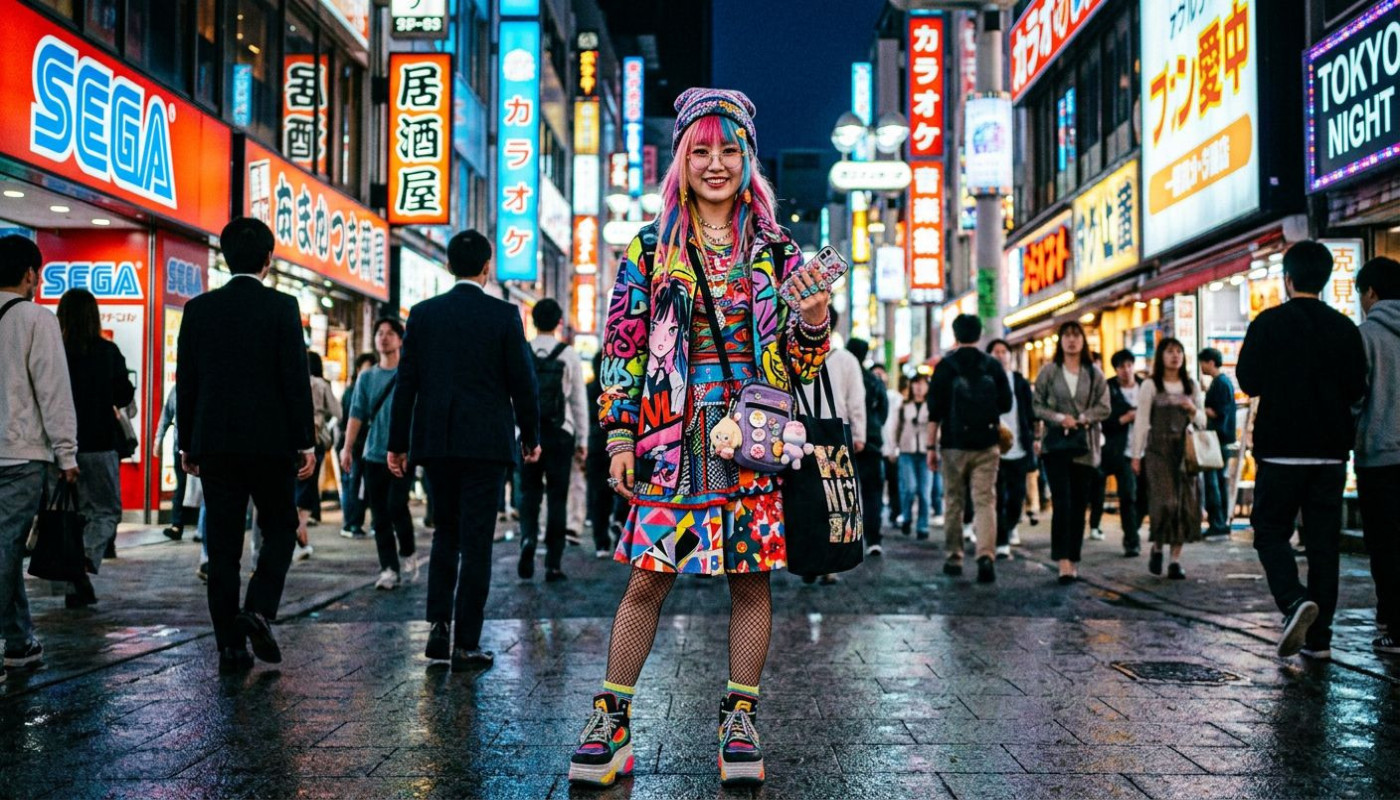
How Tokyo Street Style Influences Global Fashion Trends?

How Quality Fabrics Shape The Future Of Urban Fashion

Exploring the slow fashion movement and its impact on consumer habits

Exploring The Benefits Of Wearing Shapewear For A Slimmer Silhouette

Where to Buy a Hublot Watch in Sint Maarten?

Exploring The Mystical Benefits Of Tiger Eye Bracelets
