Table of contents
Urban fashion is undergoing a dynamic evolution, and at the heart of this transformation lies the influence of quality fabrics. The choice of materials goes far beyond aesthetics, shaping not just trends but the entire experience of wearing urban apparel. Discover how premium textiles are setting new standards, driving innovation, and redefining what it means to dress with style and substance in the city.
The impact of fabric quality
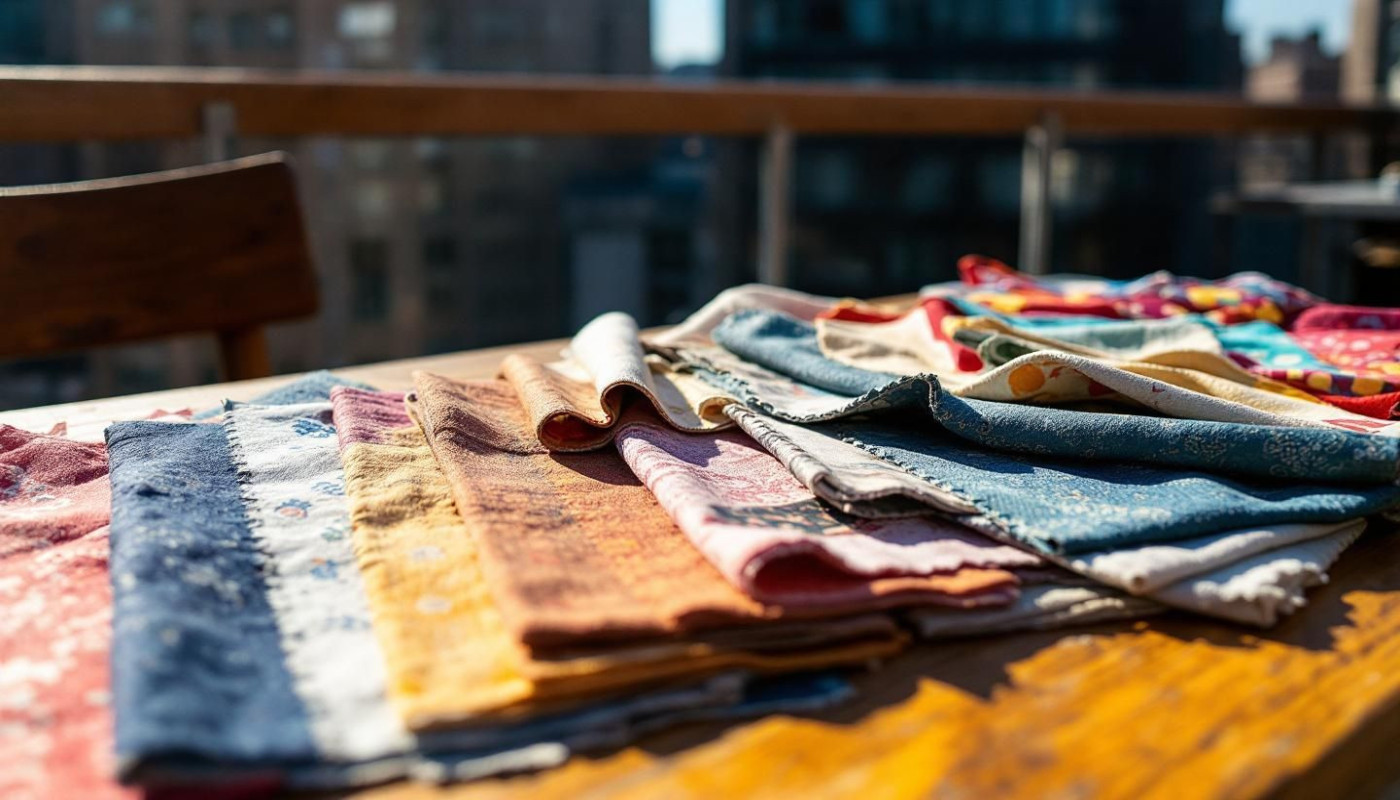
Quality fabrics play a defining role in urban fashion by enhancing durability, comfort, and the overall visual and tactile appeal of garments. Premium textiles, such as tightly woven cotton, technical synthetics, or advanced blends, exhibit higher resistance to wear and tear, ensuring that clothing withstands the demands of city life. Urban fashion thrives on pieces that not only look striking but also feel exceptional against the skin, which is achieved through the careful selection of sustainable materials and superior construction. A key element in this process is fiber integrity—the measure of a fiber's ability to retain its structure, resist pilling, and maintain color vibrancy after repeated washing and movement. When fiber integrity is prioritized, garments maintain their original form and comfort, allowing wearers to express personal style with confidence and less frequent replacements.
The integration of these high-quality fabrics into urban fashion also supports responsible consumption by reducing waste and encouraging longer-lasting wardrobes. For those interested in exploring a diverse range of garments crafted with premium textiles and a focus on contemporary street style, why not look here. This approach not only elevates the individual experience but also shapes the broader industry towards more sustainable, quality-driven standards.
Innovative textile technologies
Urban clothing has entered a new era thanks to rapid developments in textile technology, introducing innovative fabrics that not only enhance style but also bring functional benefits. Moisture management is at the forefront, with smart textiles engineered to wick away sweat and keep wearers comfortable in a variety of urban settings. Stretch blends, incorporating fibers like elastane, offer increased mobility and durability, making them ideal for the fast pace of city life. In the realm of sustainability, eco-friendly fashion is gaining ground through the use of recycled materials and low-impact dyeing techniques. Dr. Lena Rodríguez, a leading materials scientist, highlights that these advancements are enabling designers to create garments that are both technologically advanced and environmentally conscious, signaling a shift in consumer demand toward smarter, cleaner urban fashion solutions. As a result, the integration of such technologies is shaping the trajectory of innovative fabrics, setting new standards for comfort, performance, and responsibility in the fashion industry.
Sustainability in modern streetwear
The adoption of sustainable fabrics in urban apparel is rapidly transforming streetwear trends, driven by a blend of consumer awareness and environmental responsibility. Brands are increasingly turning to organic textiles, such as organic cotton, bamboo, and recycled polyester, to meet the rising demand for eco-conscious fashion. This shift not only reduces the environmental footprint of urban apparel but also appeals to ethically minded consumers seeking transparency in sourcing and manufacturing processes. The growing popularity of sustainable fabrics in streetwear trends reflects a cultural movement where style and ecological impact are inseparable, making eco-friendly choices highly valued within the community.
Urban apparel brands now consult with experienced sustainable fashion consultants to navigate the complexities of sourcing and verifying organic textiles, as well as implementing responsible production methods. These experts often employ life cycle assessment—a systematic approach to evaluating the environmental impacts associated with all stages of a product’s life, from raw material extraction to disposal. Understanding the life cycle assessment enables streetwear labels to make informed decisions that benefit both the planet and their customers, setting new standards in the rapidly evolving field of eco-conscious fashion.
Comfort and performance benefits
High-quality comfort and performance fabrics have become pivotal in redefining urban wear for modern city life. The use of advanced breathable textiles ensures optimal breathability, preventing overheating while supporting the active pace of metropolitan environments. Superior materials adapt to body movement, delivering a precise fit that accommodates everything from commuting to social engagements. Urban fashion designer Virgil Abloh points out that technical fibers and construction techniques provide enhanced flexibility and durability, allowing wearers to transition seamlessly between activities without sacrificing comfort. This focus on comfort and performance fabrics elevates not only the tactile experience but also the overall functionality of urban clothing, making garments that respond intuitively to the diverse demands of city dwellers.
Future trends in urban fashion fabrics
Future trends in urban fashion are set to be influenced by breakthrough textile innovation, with biodegradable textiles and adaptive fabrics leading the charge. As sustainability becomes a priority, brands are turning to biodegradable fibers that reduce environmental impact without sacrificing style or durability. Adaptive fabrics, which can adjust their properties to suit changes in climate or individual needs, offer a flexible and practical solution for city dwellers. Personalized textile solutions, such as custom prints and fit powered by digital technology, further cater to the growing demand for individuality in urban fashion. Integrating smart polymers—materials that respond to environmental stimuli—into clothing allows garments to adapt in real time, enhancing comfort and performance.
A renowned fashion futurist predicts that these advances will redefine the landscape of urban fashion, merging technology with eco-friendly materials to produce garments that are not just expressive but also highly functional. The use of adaptive fabrics and biodegradable textiles demonstrates a commitment to both innovation and responsibility, signaling a shift toward more conscious consumption. As textile innovation continues to evolve, urban fashion will increasingly prioritize smart, sustainable materials, shaping a future where both personal expression and environmental stewardship are at the forefront.
Similar articles

Understanding Yūgen: An Aesthetic Shaping Global Fashion Views
The Cultural Significance Of Kimonos In Today's Fashion World
Exploring The Allure Of Modern Japanese Streetwear Trends
Blending Aesthetics: Western Influence On Japanese Streetwear Designs
How Tokyo Street Style Influences Global Fashion Trends?
Exploring the slow fashion movement and its impact on consumer habits

Exploring The Benefits Of Wearing Shapewear For A Slimmer Silhouette

Where to Buy a Hublot Watch in Sint Maarten?

Exploring The Mystical Benefits Of Tiger Eye Bracelets
